

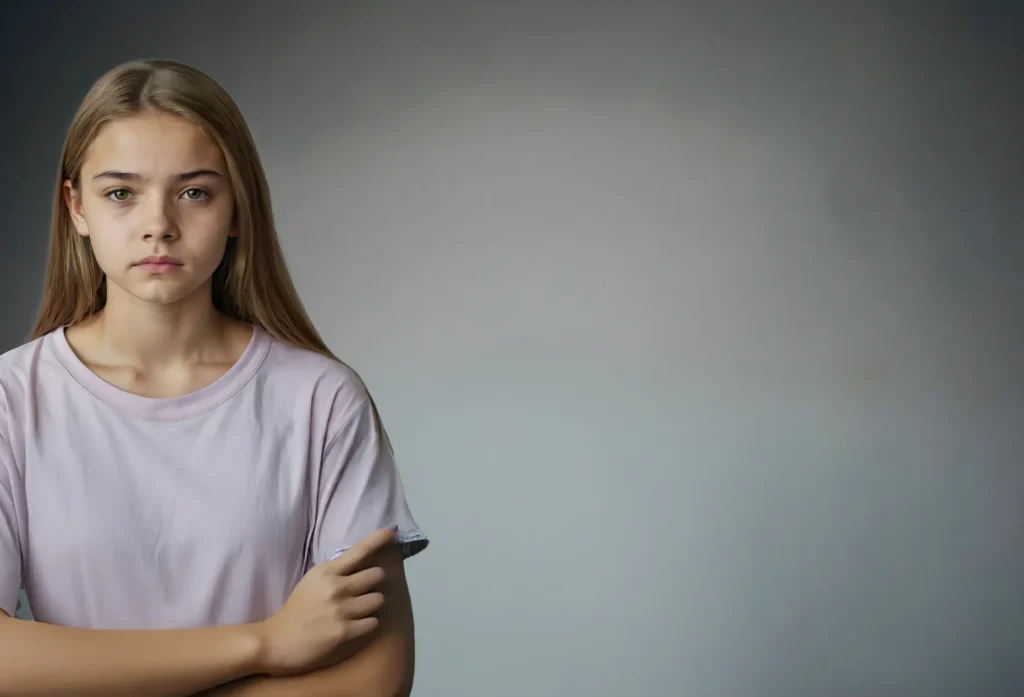
There is a lack of mental health specialists in Estonia. Help train mental health practitioners and the network of people who can help will be much larger. Mental health problems can be prevented.
– The number of suicide attempts by minors (aged 0-17) has nearly doubled since 2015
– Proportionally, 2.5 times more teenage children and young people die by suicide in
Estonia than the EU average
Colonna Charity Foundation teams up with local NGO Head Matters: children’s mental health problems can be prevented
Problem: there are not enough mental health specialists in Estonia – psychiatrists, clinical psychologists, school psychologists, and mental health nurses.
“Let’s Talk About Children” is a mindset to prevent mental health issues and an evidence-based methodology from Finland based on the principles of positive parenting and guided conversations.
The more practitioners we have trained in the “Let ́s T alk About Children” method and the
more people who adopt this mindset, the more we can prevent children’s mental health
difficulties
Help prevent children’s mental health problems before it is too late! We ask to support the campaign and make a one-off or regular donation!
Every donation helps children in need.
Sihtasutus Colonna Heategevusfond
LHV Pank
EE627700771003249906
Colonna Charity Foundation has joined the good practice of collecting donations and is included in the
list of non-profit organizations and foundations with income tax relief.
Read more about “Let’s Talk About Children” methodology https://peaasi.ee/en/raagime-lastest/

2023 campaign “Help Children Live!” asked people to donate to children’s mental health first aid trainings
Colonna Charity Foundation and Peaasi.ee run a charity campaign to collect donations for launching training programs to teach young people and parents to recognize children’s mental health problems and provide initial support. For the cause Colonna Charity Foundation raised and donated 131 360 euros to Peaasi.ee.
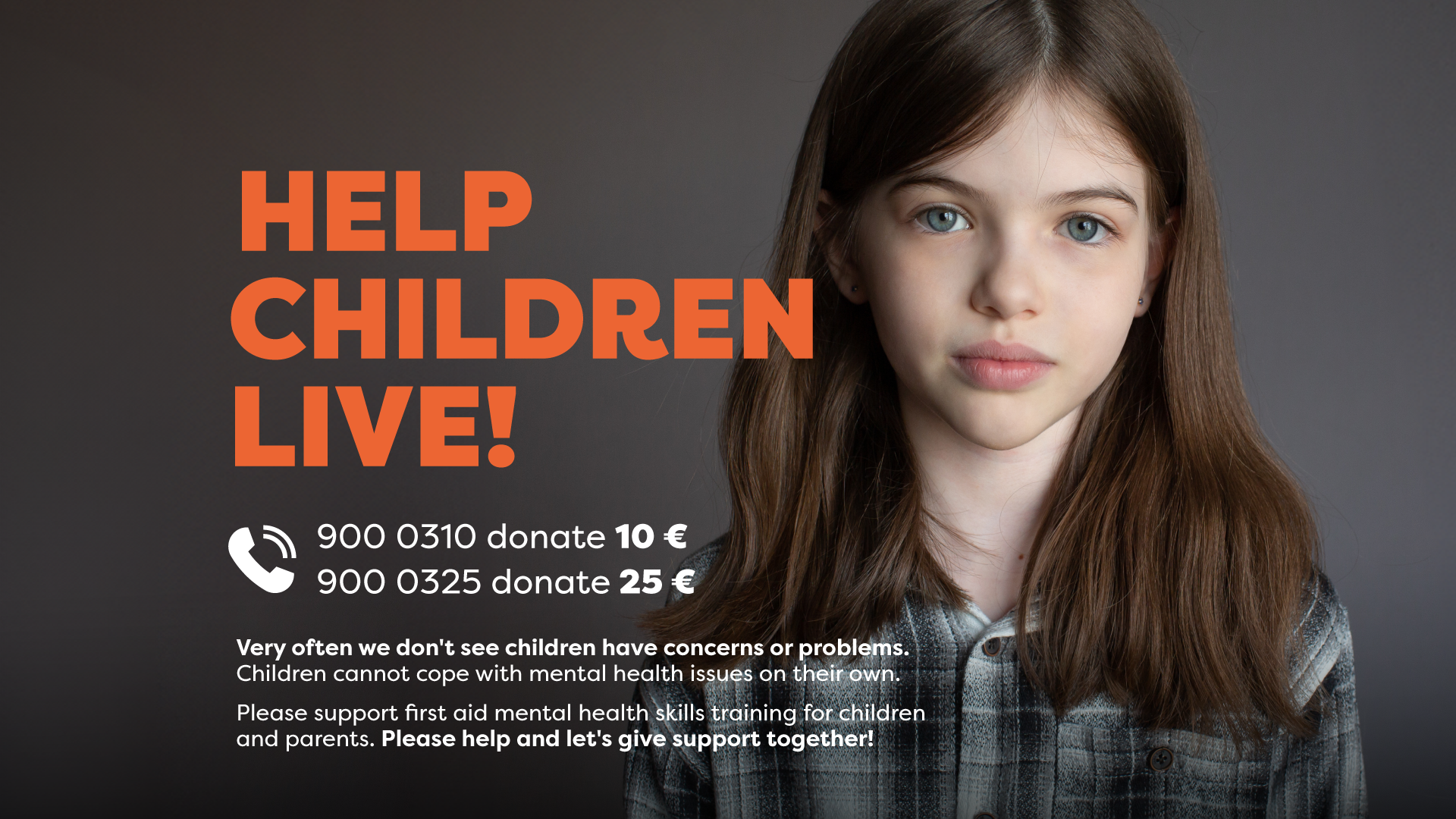
According to studies, 33% of teenagers experience low mental well-being, about a third of teenagers are sad and depressed, and every 10th young person feels that they have no one to share their concerns with. At the same time, 82% of parents of teenage children are worried about their child’s mental health, and almost half (44%) do not know if there is enough reason to act.
“Many young people and parents are not sure what to do when a child turns to them with their mental health concerns and may not notice the warning signs of mental health. The ability to see and provide initial mental health support helps reduce the worsening of mental health disorders,” said Anna-Kaisa Oidermaa, CEO of Peaasi.ee and a clinical psychologist.
Colonna Charity Fund and Peaasi.ee have launched an awareness and donation campaign to bring mental health first aid training to children and parents for the first time. “The goal of the training program is to increase the number of people who recognize children’s mental health problems and provide initial support. It is very important that children feel safe to talk about their problems and that parents know how to listen and act,” said Roberto de Silvestri, CEO of Colonna.
The training programs, which start in the spring of 2024, last about 10 hours each and are aimed at children and young people aged 11-14 (5th-7th grade) and parents. The ultimate goal is to reach 1% of Estonia’s population.
Colonna Charity Fund, established in 2018, supports children’s health, education, and sports activities.
With the help of the Colonna Charity Fund, county hospitals across Estonia could purchase important equipment. A donation of 109,000 euros was distributed among nine county hospitals. Donors contributed to the availability of the best possible medical care for Estonian children as close to home as possible.
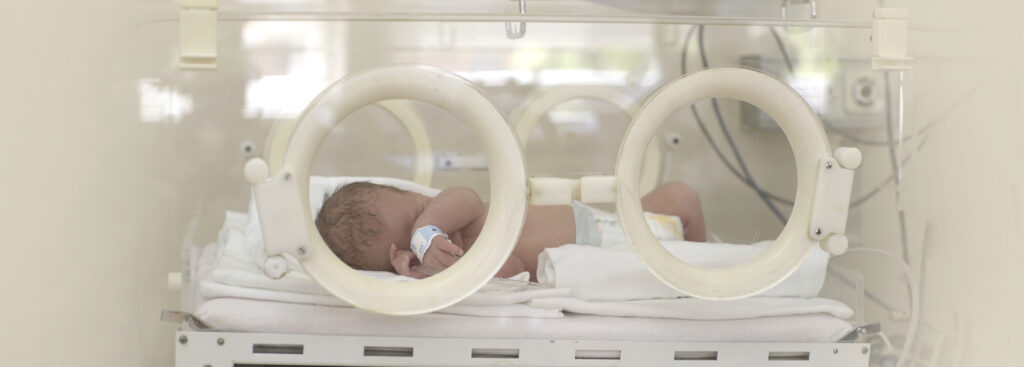
SA Läänemaa Hospital got a warming bed/resuscitation table for newborns, Lõuna-Eesti Haigla AS needed a cardiotocograph to follow fetal heartbeats and uterine contractions, SA Hiiumaa Hospital’s maternity department got an analgesia device and accessories, Kuressaare Haigla SA acquired an ultrasound machine for the gynecology department, SA Viljandi The hospital will use the donation for the Women’s Clinic to purchase breastfeeding armchairs, SA Narva Hospital purchased beds for the treatment of premature babies, AS Rakvere Hospital needed a new modern delivery bed; Põlva Haigla AS decided to purchase a hearing screening device for newborns; SA Raplamaa Hospital acquired a tympanometer, a device for diagnosing ear disorders for children.
Colonna founders Roberto de Silvestri and Andrea Agostino, the Tanner family and the Rajur family, as well as the companies Inbank, Your Office OÜ, Reterra Estate OÜ, Piletilevi, Olympia Group and others, were among the largest private donors of this charity. Sometimes the minutes count and the proximity of help can be crucial!
The Colonna Charity Fund donated in benefit evening to support the children of the Ukrainian SOS Children’s Village.
On the 23rd of March the Estonian Embassy in Paris in cooperation with the President Kaljulaid Foundation organized a benefit evening to support the purchase of computers to children living in foster homes in the region of Zhytomyr in Ukraine. The goal of the evening was to raise 50 000K in order to buy laptops so children would be able to continue their education, as classes primarily take place online due to the ongoing war.
The Colonna Charity Foundation contributed 17,500K for this important goal. The rest was raised at the event through donations and a charity lottery. The computers are delivered through the Estonian Embassy in Kyiv. The Colonna Charity Foundation continues to support children and at the end of May hands over an impressive donation to the Estonian County Hospitals for the purchase of various important devices.
Support is sent to Ukraine from all over the world as donations, expressing the unwavering will to stand by the Ukrainian people at this difficult time. The Colonna Charity Fund made a donation to the Red Cross to send blankets and baby cocoons to Ukraine to bring warmth to those least protected. We invite everyone to donate to the International Red Cross redcross.ee, the Estonian Refugee Council, Mondo and the Ukrainian Cultural Center – the account details of these three Estonian NGOs can be found on the website ukrainaheaks.ee. Every small donation is a message that calls for an end to aggression in Ukraine. Slava Ukraini!
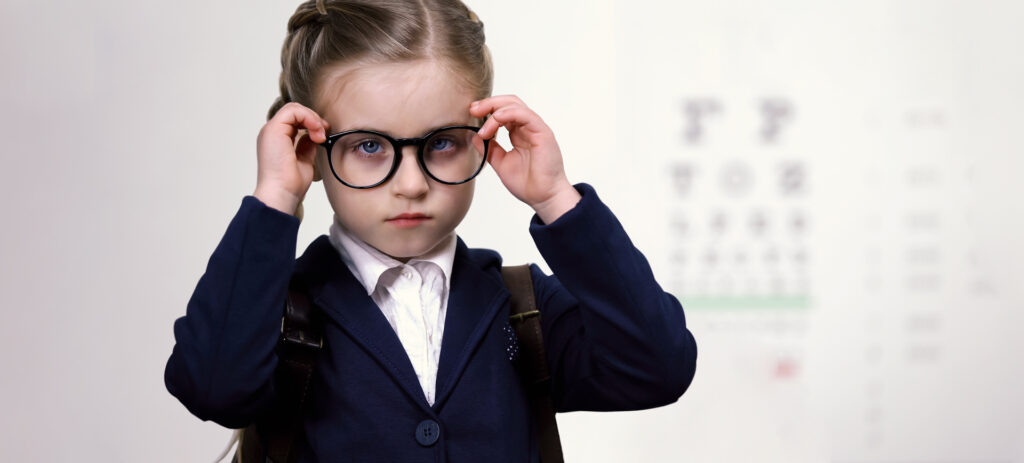
Near-sightedness, also known as myopia, is estimated to occur in 20–30% of children in primary and basic school. Still, the risk of developing myopia can be reduced if children spend sufficient time outdoors, and their eyes get enough rest.
What is near-sightedness?
Near-sightedness or myopia is a condition of the visual system, which makes it difficult to discern distant objects clearly. The reason lies in the fact that the myopic eyeball is slightly more elongated than a healthy eye and light focuses not on the retina, where it is supposed to, but in front of it. In order to see clearly, a near-sighted person needs ‘minus’ glasses or contact lenses.
Near-sightedness usually develops in primary school children and results from faster and more extensive growth of the eyeball compared to the age-appropriate norm. Myopia is defined as a refractive error of ⩽ -0.5 dioptres. High myopia, a more severe form of myopia that can increase the risk of developing serious eye problems, is defined as a refractive error of ⩽ -6 dioptres. Generally, myopia stops progressing by early adulthood, once the person’s eye is not growing any more.
How to understand that a child is near-sighted?
Symptoms of near-sightedness:
- The child struggles to see to the board in class and may squint
- The child does not see distant objects
- The child keeps sitting too close to the TV
- Less frequent symptoms include eye strain and tiredness, and headache
At early stages, myopia is not exactly obvious. Pre-schoolers will often display no problems at home or in kindergarten. Even as the child starts school, they may see what is written on the board rather well when they sit in the central part of the classroom. One of the first signs of near-sightedness is squinting to see the board or the TV screen. If the child asks to be seated at the front of the classroom because they cannot see well from a desk at the back, this can be the first indication that the child has developed myopia. The same can be said about the child sitting very close to the TV screen.
How high is the prevalence of myopia?
While 28% of the entire world’s population were near-sighted in 2010, myopia is expected to affect 50% of people worldwide by 2050.
Near-sightedness is a health issue, which is becoming more and more pressing all over the world. It is already now that myopia affects 40–50% of some European populations. There is discussion about a ‘myopia epidemic’ in Asia, where near-sightedness is found in 80–90% of the residents of certain regions in East and Southeast Asia.
Kadi Palumaa, ophthalmologist at East Tallinn Central Hospital:
Judging by research performed in other European countries, the prevalence of myopia among Estonian children at lower school levels can be estimated at approximately 10–20%, and at senior grades of basic school, around 20–30%.
As far as our clinical practice is concerned, we have clearly observed a growing rate of myopia in recent years, and it is more and more common that near-sightedness is developing in younger children. The total number of schoolchildren in Estonia is approximately 150,000. If approximately 30% of them are myopic, that amounts to a total of 45,000 children with near-sightedness in the country.
A pilot study conducted by the East Tallinn Central Hospital Eye Clinic in 2018–2019 recruited 123 schoolchildren and found that 31% of them displayed myopia.
Complications of myopia
Myopia manifests itself in childhood and can progress significantly with age, increasing the risk of developing complications which can potentially result in visual impairment, for example, macular and retinal degenerations, retinal tears and detachment, glaucoma and cataract.
Complications of myopia result from the excessive growth of the eye and its ‘elongation’. Myopia can lead to deterioration of vision and, potentially, to vision loss. Approximately 10% of short-sighted people develop myopic macular degeneration. Myopia also leads to a higher risk of developing glaucoma and retinal detachment. Visual impairment caused by these conditions is irreversible. There is also a heightened risk of developing cataract, but it can be surgically treated.
For children, myopia does not usually cause more severe problems than the inconvenience of wearing glasses of contact lenses. The complications of short-sightedness occur mainly in adults and are directly related to the severity of myopia. For example, people with high myopia have a 5.7% risk of uncorrectable visual impairment at the age of 60, and the figure rises to 39% by 75 years of age.
Myopia risk factors
- Children who spend plenty of time outdoors have a significantly lower risk of developing myopia.
- The risk of near-sightedness is increased by prolonged periods of near work, for example excessive use of smartphones and computers
Myopia risk factors have been studied for years. It has been discovered that the primary risk factor for developing myopia is spending too little time outdoors in daylight. The positive effect of the time spent outdoors is associated with the intensity of sunlight being significantly higher than indoor light levels. While the level of illuminance outdoors on a sunny day may be as high as 100,000 lux, it will reach a mere 500 lux in well-lit indoor spaces. They eye adapts to changes in illuminance very rapidly and therefore we do not perceive the difference to be this great. Even on a cloudy day, light intensity outdoors is multiple fold higher than in a well-lit room.
Another important myopia risk factor is prolonged periods of near work, which include the use of computer and smartphone but also reading and writing. Children of myopic parents also have a higher risk of near-sightedness due to both genetic and behavioural factors. It should be noted that various genetic factors, albeit well-researched, account for only 20% of myopia cases.
Preventing near-sightedness
Near-sightedness is less likely to develop if the ‘2-20-20’ rule is followed:
- The child spends at least 2 hours outdoors every day;
- After 20 minutes of near work, the child looks into the distance for 20 seconds
Following these simple lifestyle principles will decrease the risk of developing myopia and slow its progression. It is recommended that children follow the ‘2–20–20’ rule: spend at least 2 hours per day outdoors and after every 20 minutes of near work, look into the distance for 20 seconds (‘the distance’ referred to means at least 6 metres, for example, looking out of the window or to the far end of the classroom).
It is also important that the workspace is illuminated adequately, and children are encouraged to go to school on foot. Multiple Asian countries where myopia has become a wide-spread problem, have initiated national programmes, which encourage children to spend more time outdoors between classes. These measures have proven to have a positive effect on myopia prevention.
Myopia control
- Atropine eye drops
- Special multifocal and orthokeratology contact lenses
Myopia can be corrected through the use of ‘minus’ glasses or contact lenses. However, these methods do not hinder the further growth of the eyeball and, consequently, do not prevent the progression of myopia. In recent years, new scientifically proven myopia control methods have been introduced, which reduce the growth rate of the eye. The most efficient scientifically proven method is the use of atropine eye drops.
Atropine is found in the berries of the deadly nightshade (Atropa belladonna) and has been in medicinal use for over a century. It is used for inducing pupil dilation and the relaxation of the ciliary muscle, which controls the shape of the lens of the eye. It was only in 2006 that a study demonstrating that atropine slows eye growth was published. Subsequent work has shown that the effect is also present at very low concentrations of the substance. While 1% atropine eye drops are used for pupil dilation, eye growth is hindered already with 0.1%, 0.05% and 0.01% atropine. Such low doses do not result in pupil dilation in most subjects and only 5% of the children receiving treatment experience side-effects.
Another method of myopia control involves special contact lenses, for example multifocal or orthokeratology contact lenses. Such lenses have been scientifically proven to hinder the growth of the eye, but research has shown that they are less effective than atropine eye drops. Further information about near-sightedness, the studies currently in progress in Estonia and myopia control can be found at www.itk.ee/muoopia or requested by email at muoopia@itk.ee.
Colonna Charity Fund supports
With the aid of supporters, Colonna Charity Fund will donate to the Eye Clinic of the East Tallinn Central Hospital 22 547 euros for purchasing a kerato-refractometer meant for diagnosing myopia.
The device, which has only recently found global use, is supplied with the databases and software specially developed for examining and monitoring the treatment of near-sighted children, which will significantly simplify treatment planning and monitoring myopia control. The instrument is compact and child-friendly as it can determine and register several parameters within a short period of time, eliminating the necessity to use several devices for the examination.
Support the projects of the Colonna Charity Fund with a one-time or regular donation. Read more: https://colonnacharity.ee/toetajale/
Record donation of 100,000 euros was raised to aid Estonian families in infertility treatments
The record 100,000 euro amount of donations raised during the charity campaign “Help children to be born!”, organised by Colonna Charity Foundation and East Tallinn Central Hospital, was used for purchasing a state-of-the-art time-lapse incubator, which will increase the probability of having a child for the families struggling with infertility from the current 35% to as much as 50%.
- Campaign’s goal was to raise donations for buying a time-lapse incubator for the Infertility Treatment Centre of East Tallinn Central Hospital.
- We donated € 100,000 of the amount gathered during the campaign
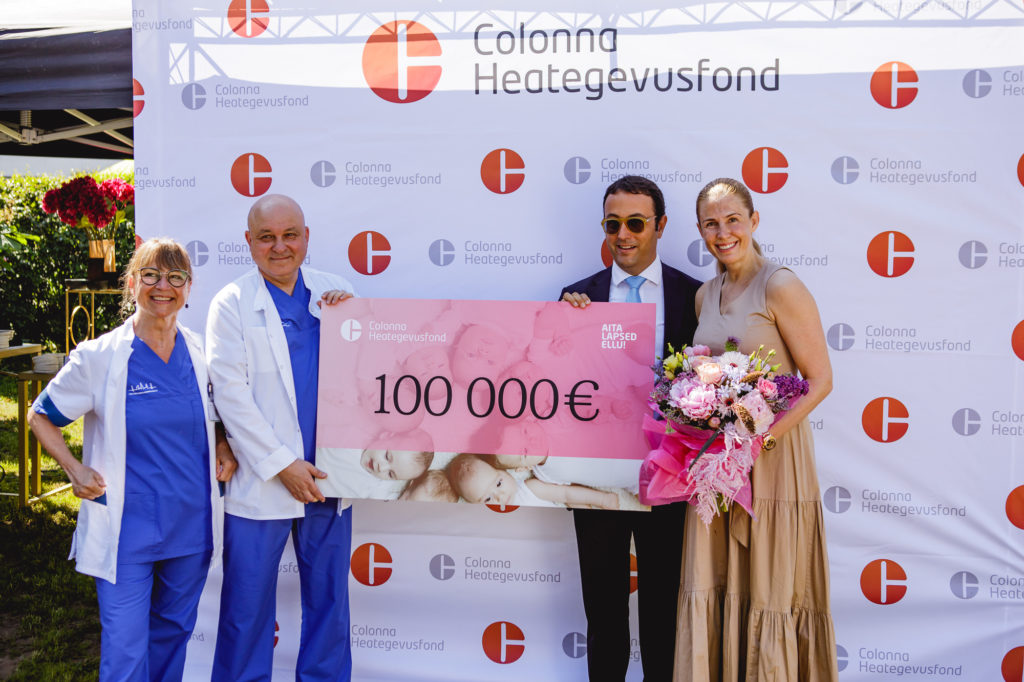
The charity campaign “Help children to be born!”, held at the end of 2019, aimed to raise donations for purchasing a modern time-lapse incubator for the Infertility Treatment Centre of East Tallinn Central Hospital. The incubator is the first of the kind in Estonia, yet the need for one was great because around one in ten families in Estonia faces infertility.
Doctor Tiina Loog, head of the Infertility Treatment Centre of East Tallinn Central Hospital, explains the necessity for the new piece of equipment: “An embryo is a foetus at an early development stage which emerges when a woman’s egg is fertilised by a man’s sperm. In case of in vitro fertilisation, embryos are grown and monitored in laboratory conditions until day 6 of development. The new incubator is equipped with a camera which captures the entire embryo development process by means of the time-lapse technology, and embryos do not need to be removed from the incubator for monitoring, which is what we have to do when using the old incubators at our disposal. Consequently, embryos can develop in a stable growth environment similar to natural conditions in the womb. The new incubator will allow embryos of the highest quality to be selected for implantation and the rate of treatments resulting in pregnancy to be increased to as much as 50%, which means that every other implantation could be a success. This will ensure better results in patients in older age groups as well as those who have had repeatedly failed treatments and would also decrease the number of missed miscarriages at early pregnancy stages.”
According to the data provided by the National institute for Health Development, 3011 infertility treatment cycles were performed in the country in 2018, which is 5% more than a year before. As the result of in vitro fertilisation, 444 babies were born in 2018, which is 3.1% of all live births, and of these 209 children were born with the help of the Infertility Treatment Centre of East Tallinn Central Hospital.
Most of the donations were raised from private donors and companies at the Colonna charity gala at the end of 2019. The private donors to have made the largest contribution during the gala were Roberto de Silverstri, founder of the Colonna Charity Foundation, the co-founder of the Colonna investment company Andrea Agostinone as well as numerous firms and guests.
Roberto de Silvestri, chair of the council of Colonna Charity Foundation, says Colonna has been raising donations to help new-borns and premature infants since 2013, but this time it decided to draw attention to supporting the families which have difficulties conceiving a child. “Unfortunately, a great number of families face the infertility problem, and all families deserve a chance to have a healthy and much-awaited baby. We would like to sincerely thank all the donors from Estonia and other countries for their remarkable contributions to supporting infertility treatment in Estonia,” de Silvestri said.
The founder of the Colonna Charity Foundation, established in 2018, is the Colonna investment company, which has already raised over 310,000 euros for helping new-borns and premature infants in the Maternity Ward of East-Tallinn Central Hospital, Pelgulinna Maternity Hospital and various county hospitals through its charity campaigns since 2013. Previously, the funds were used for purchasing a neonatal resuscitation table, an incubator, a neonatal aEEG brain monitor and cerebral oxygen monitoring equipment, a neonatal resuscitation unit for premature infants and cardiotocography devices as well as renovating two family suites.
The charity campaign “Help save a life!” organized by the Colonna Charity Foundation in cooperation with the Maternity Ward of East-Tallinn Central Hospital raised a record amount of 90,680 euros for aiding new-borns.
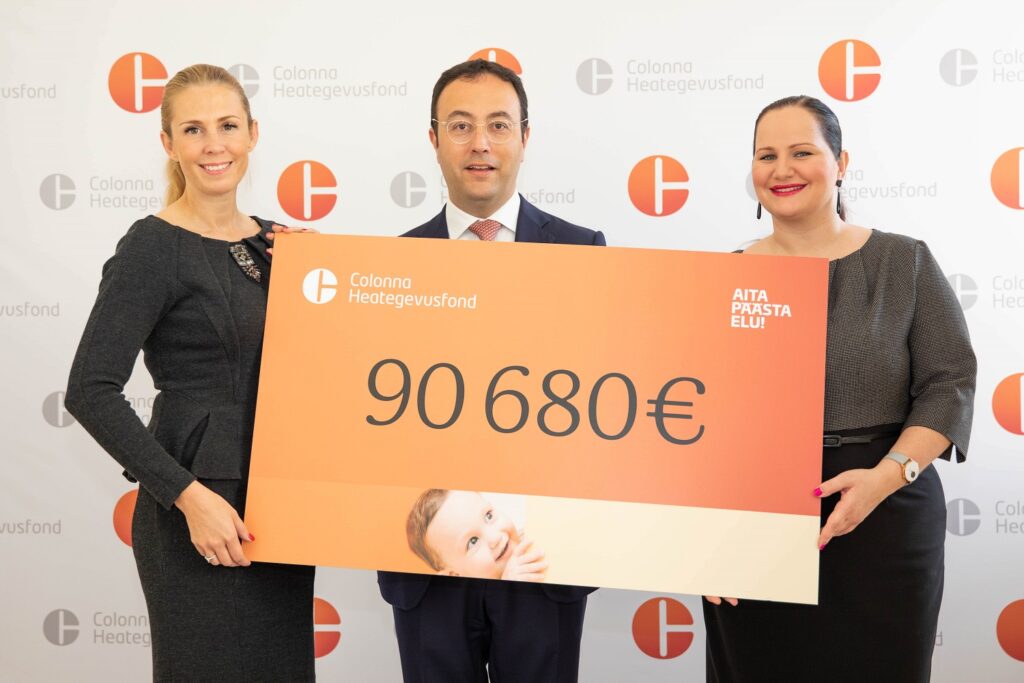
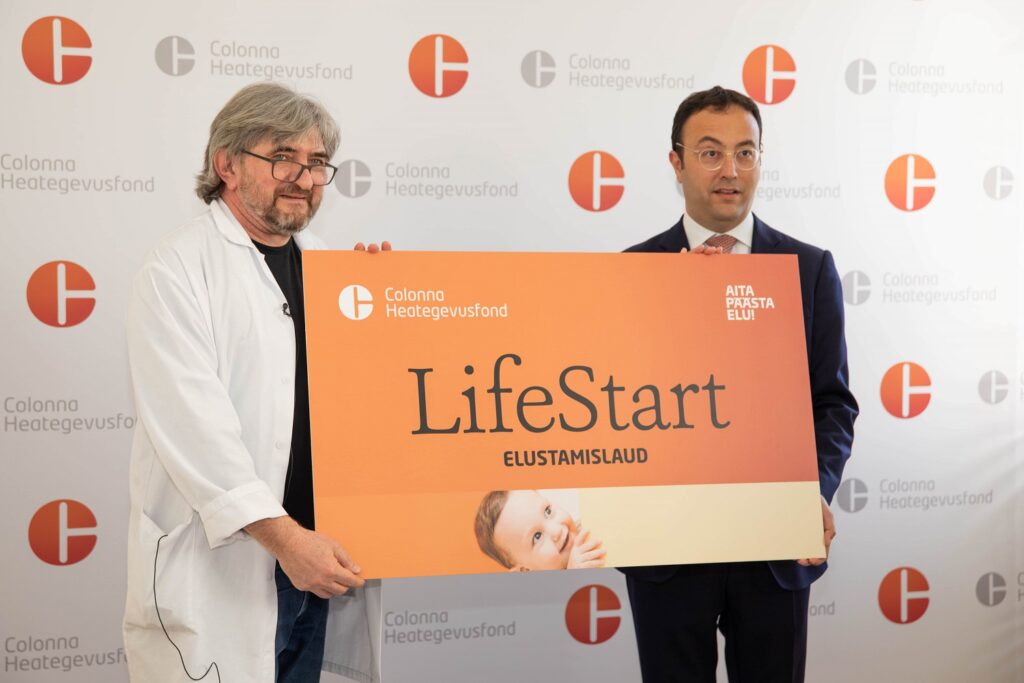
The charity campaign “Help save a life!” organized by the Colonna Charity Foundation in cooperation with the Maternity Ward of East-Tallinn Central Hospital raised a record amount of 90,680 euros for aiding new-borns. A 30,000-euro share was used for purchasing the LifeStart neonatal resuscitation unit for very premature babies for the Maternity Ward of East-Tallinn Central Hospital, and 45,000 euros were donated to the maternity wards of three Estonian county hospitals for purchasing CTG monitors.
The charity campaign “Help save a life!” organized at the end of 2018 aimed to raise donations for purchasing the LifeStart neonatal resuscitation unit for very premature babies for the Maternity Ward of East-Tallinn Central Hospital. The campaign became the most successful among the charity campaigns spearheaded by the Colonna real estate company so far: a total of 90,680 euros was donated to aid new-borns, which is three times more than expected. A share constituting 65,000 euros was donated to the maternity hospital by private donors and companies at the end-of-year charity gala. The private donors to have made the largest contribution during the gala were Roberto de Silverstri, founder of the Colonna Charity Foundation, the co-founder of the Colonna investment company Andrea Agostinone as well as numerous firms and guests. The rest was accumulated during the broader media campaign. By now, the LifeStart neonatal resuscitation unit for premature babies purchased with the donations raised during the charity campaign has already arrived at the Gynaecology Department of East-Tallinn Central Hospital. There was no such resuscitation unit in any maternity hospital in Estonia before, but there was a pressing need for one.
According to doctor Pille Andresson, head of the neonatology department of the Maternity Ward of the Central Hospital, the resuscitation unit, which is a mobile piece of equipment necessary for stabilising premature infants and in case of complicated delivery, can be taken to an operating room or delivery room: “The resuscitation unit is a mobile warm bedside platform with a unique ergonomic design solution, fitted with resuscitation equipment, which can be easily moved close to the mother. This allows the umbilical cord clamping to be delayed, which helps a very premature infant to adapt to life out outside the womb in a more natural way because he or she continues to receive placenta blood rich in oxygen for a while until the new-born’s lungs open and he or she begins to breathe spontaneously. At the same time, cardiovascular and respiratory stabilisation of the infant can be started immediately. Our midwives and doctors have already had the necessary training, and they are very much content with all the opportunities the resuscitation unit provides.” In addition to purchasing the resuscitation unit, the Colonna Charity Foundation will use 45,000 euros to aid the maternity wards of South Estonian Hospital, Rakvere Hospital and Kuressaare Hospital. These county hospitals will use the 15,000 euros of donations allocated to each for purchasing cardiotocographs otherwise known as electronic foetal monitors (EFM). The hospitals have a pressing need for the new monitors because the two EFMs which South Estonian Hospital has so far had at its disposal have been in use for 15 and 20 years respectively while Kuressaare Hospital and Rakvere Hospital have one EFM each, and the equipment is enduring continuous heavy operation. The surplus funds which could remain after the equipment is purchased will be allocated to further charity projects of Colonna Charity Foundation.
Roberto de Silvestri, founder of the Colonna Charity Foundation: “We are proud and happy to see that the success of the charity campaign spearheaded by Colonna is becoming more and more impressive every year and that they have helped so many new-borns. We would like to sincerely thank all the donors from Estonia and other countries. We are very glad to know that this year we will be able to aid small county hospitals in Estonia in providing obstetrics of even higher quality.” The founder of the Colonna Charity Foundation, established in 2018, is the Colonna investment company, which has already raised over 210,000 euros for helping new-borns and premature infants in the Maternity Ward of East-Tallinn Central Hospital, Pelgulinna Maternity Hospital and various county hospitals through its charity campaigns since 2013. Previously, the funds were used for purchasing a neonatal resuscitation table, an incubator, a neonatal EEG brain monitor and cerebral oxygen monitoring equipment as well as renovating two family suites.
Pelgulinna Maternity Hospital received a record donation to date of nearly 70,000 euros for the purchase of a neonatal resuscitation table
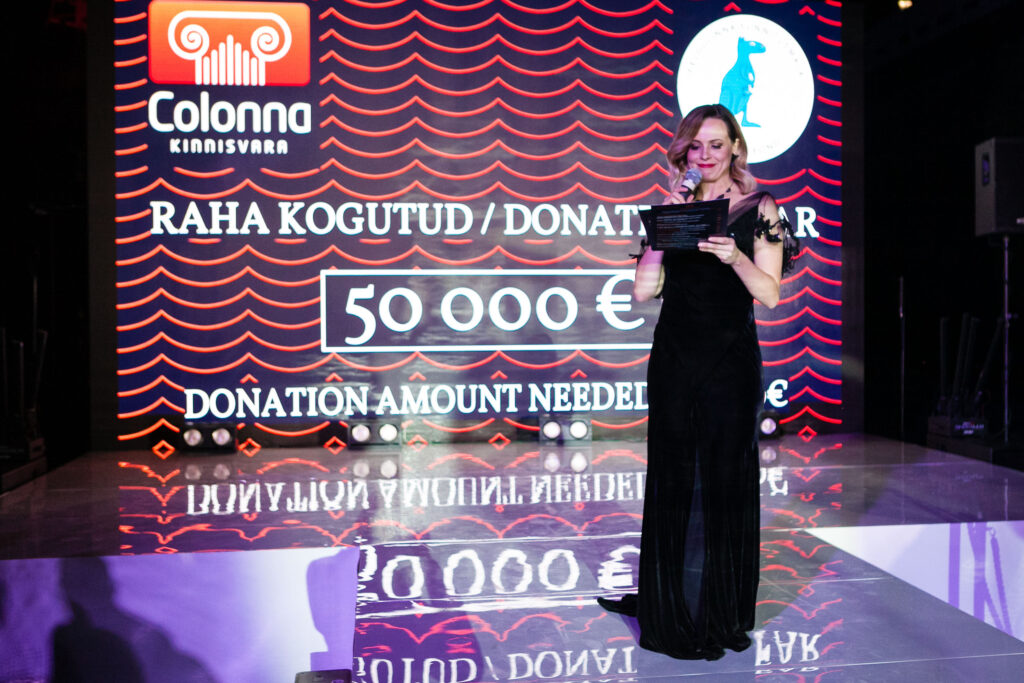
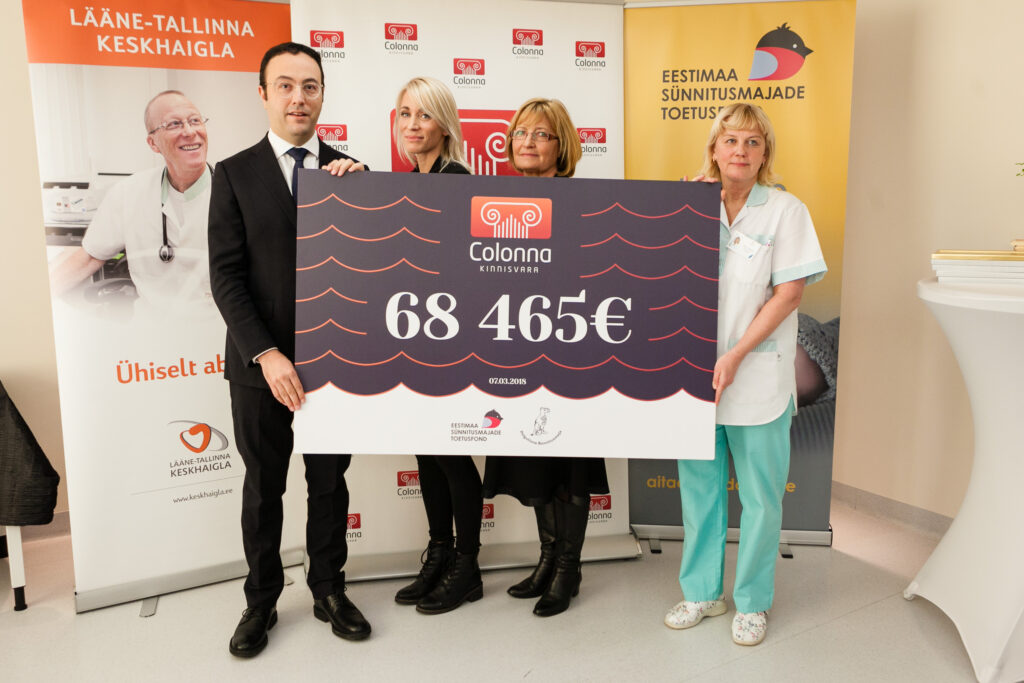
68,465 euros – a record total to date, twice over expected outcome – was raised on the initiative of Colonna as part of the “Help Start Life” campaign in late 2017. Private individuals attending the Annual Colonna Charity Gala donated 50,000 euros and the additional amount was raised during a wider media campaign. The largest contribution by a private individual was made by the founder and CEO of Colonna, Roberto de Silvestri, who donated 4,000 euros to the maternity hospital.
Pelgulinna Maternity Hospital used the support to buy a neonatal resuscitation table, which has all the necessary equipment for monitoring the condition of a newborn to quickly obtain reliable information about the newborn baby’s health and help swiftly if necessary. The remaining total was used for the acquisition of additional necessary medical equipment needed in the maternity hospital.
“We’re proud that under the leadership of Colonna the reach and number of participants of the charity campaign organised and the funds we’ve raised have increased every year. This year’s campaign has been the most successful: we managed to raise twice as much as initially planned. I would like to thank all the donors from Estonia and many European countries who found it necessary to make a contribution,” said the CEO of Colonna Roberto de Silvestri.
Newborns received two devices that measure the oxygenation of the brain
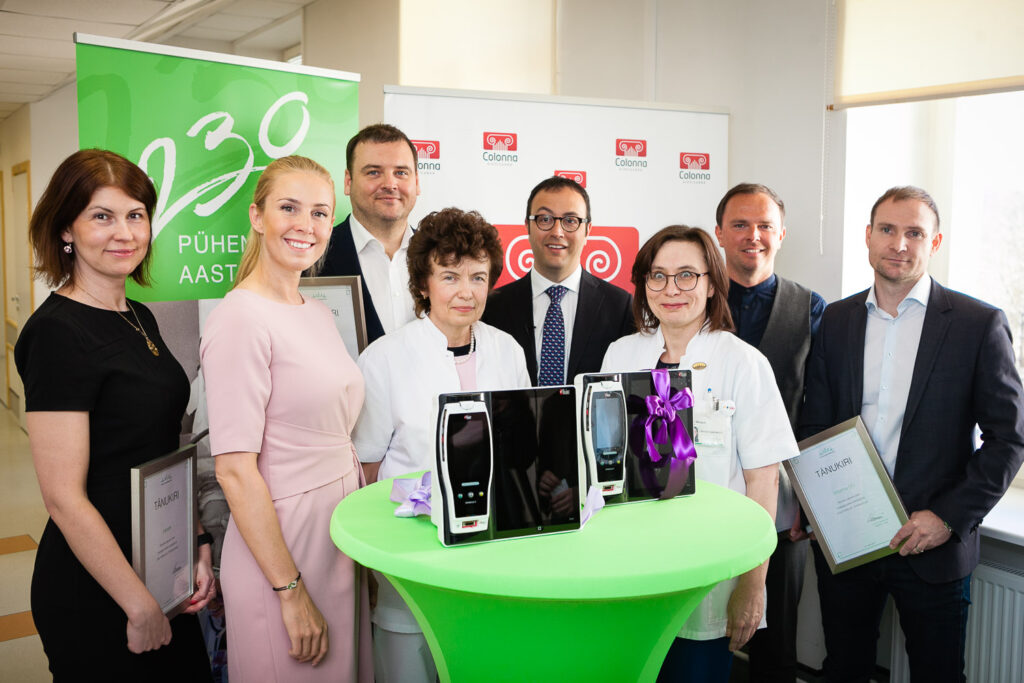
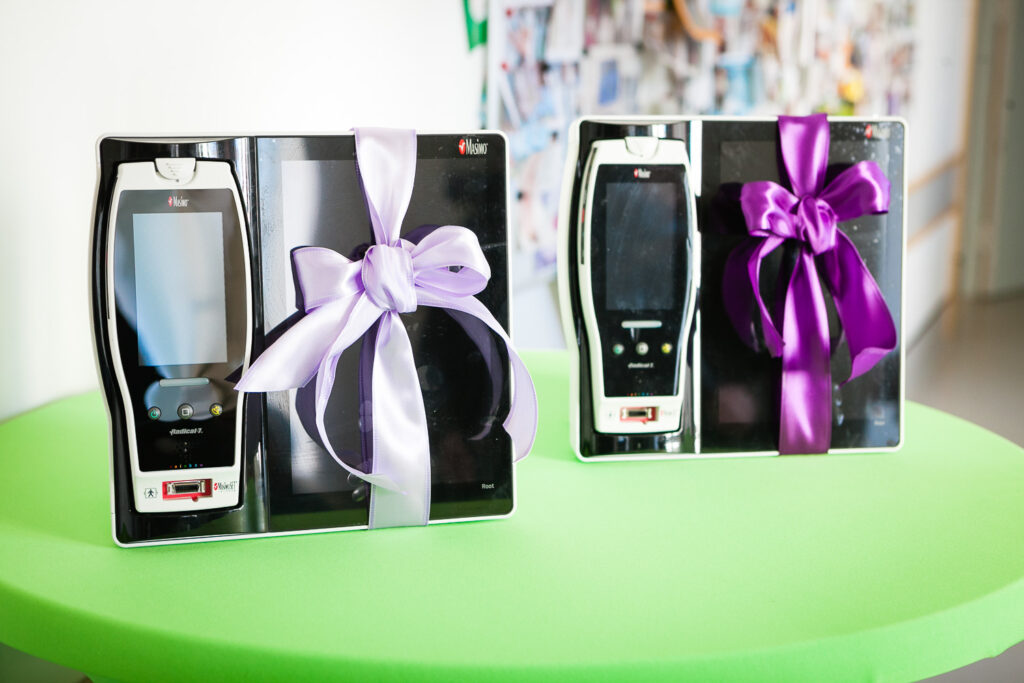
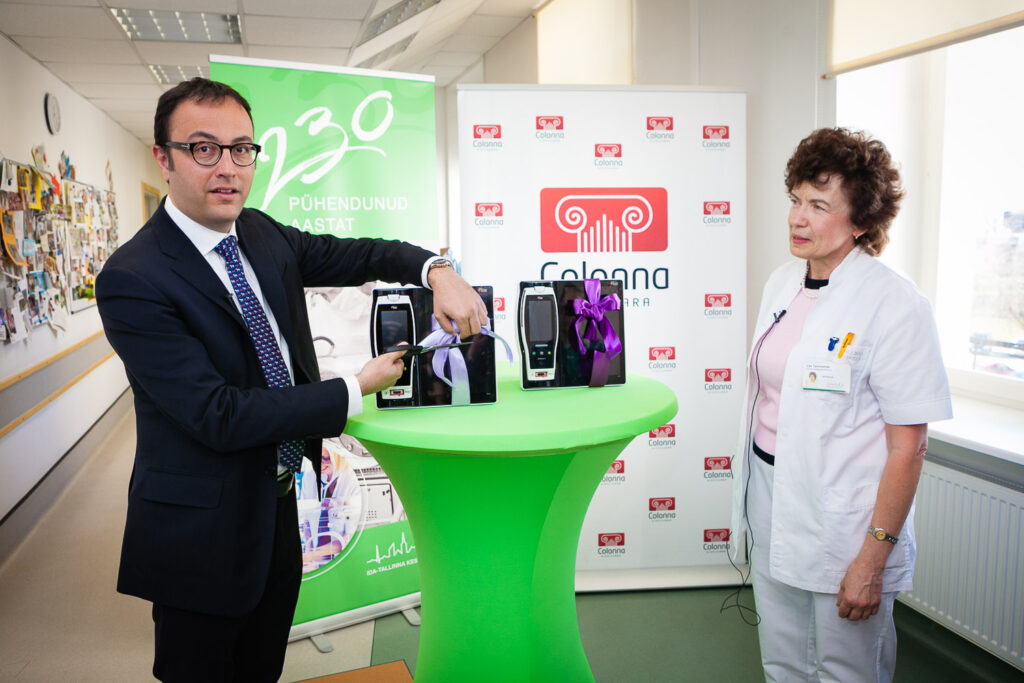
The charity campaign “Help Measure Life” carried out in late 2016 raised funds for the Maternity Hospital of the Central Hospital to acquire a NIRS device that painlessly measures the oxygenation of the bodies and brains of newborns.
Donations for the acquisition of the oxygenation monitor for the Maternity Hospital of the Central Hospital were made by numerous telephone donors, Colonna Kinnisvara, the guests of the company’s Annual Gala and major supporters Inbank and Hansapost. Since there were so many benevolent people who decided to help those in need and the total amount raised was a little over 33,000 euros, the hospital managed to purchase two oxygenation monitors.
This was the fourth charity project aimed at supporting newborns for the leader of the campaign, Colonna. “Our everyday work is related to long-term investments. We also want to look into the future with our charity initiatives. Cooperation with maternity hospitals makes life better for newborns as well as in Estonia as a whole,” says member of the management board of Colonna Kinnisvara Roberto de Silvestri.
Head of the Neonatology Department of East-Tallinn Central Hospital Dr Pille Andresson says that this is an extremely important device. “Measuring the oxygenation of various body parts is an important indicator in assessing a baby’s blood supply. Since everyone needs oxygen to survive, we are actually measuring life with this device,” explains Andresson.
The NIRS method is an integral part of neonatal intensive care. Used with other monitoring methods, it creates every opportunity for the accurate diagnosis of various diseases the effective treatment thereof. “In this case, it’s important that the sensors are fastened to the newborn’s body without causing any pain, which allows us to avoid procedures that are painful and upsetting for the babies,” adds Dr Andresson.